Why Your Toilet Keeps Running
Once the toilet keeps running, the cistern is either overfilling or draining, and both waste water you pay for. Hamilton's homes were mostly rented at the last census, so the trickle often lands on a bill the tenant never sees until it arrives.
If we're late, $100 comes off your bill

- Licensed and InsuredEvery job done by a licensed plumber. QBCC No: 15024607
- Fixed Quote FirstFlat-rate pricing, agreed before any work starts
- Lifetime Labour WarrantyBacked by our Fix-It-or-It's-Free guarantee (T&Cs apply)
- $0 Call-Out FeesNo extra charge for nights, weekends or public holidays
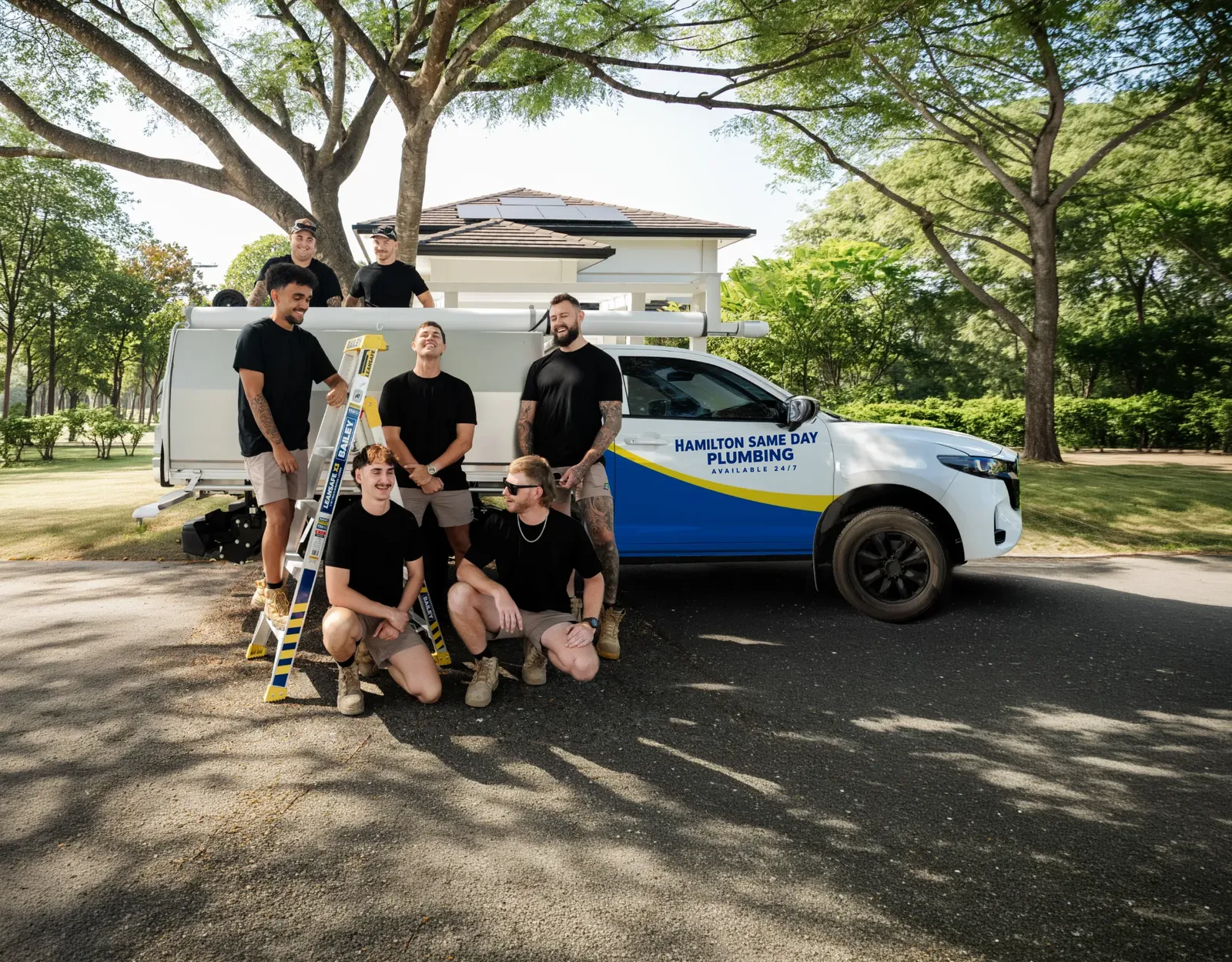
The fault always sits in one of three spots, and a colour test narrows it down before anyone opens anything. This Hamilton Same Day Plumbing guide steps through the causes, the dye test and the line between owner work and licensed work. Every job we attend is done by a licensed plumber.
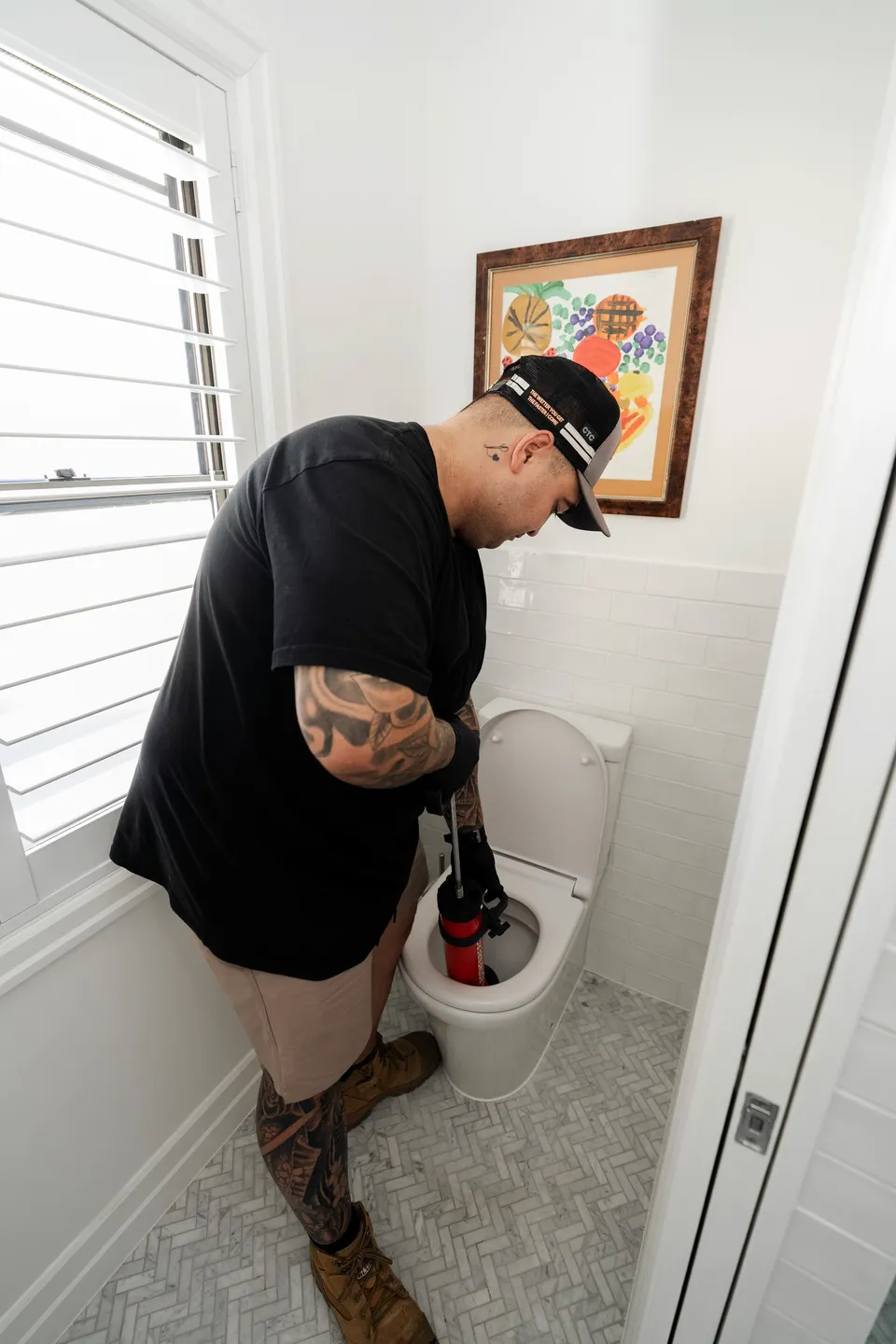
Inlet Valve, Flush Valve Seal and Overflow Explained
Three faults sit behind a running cistern: an inlet valve that won't close, a flush valve letting water past its seal, and a water level spilling down the overflow.
The inlet valve's job is topping the cistern up after a flush, and it stops once the float lifts to its mark. Worn or partly blocked, this valve fills at a crawl or never stops filling.
The flush valve, or outlet valve, holds the water between flushes. When its rubber seal ages, water slips past it into the bowl, and the fill valve keeps replacing what's lost.
The overflow is the cistern's escape route, carrying surplus water away instead of flooding the floor. If the fill valve won't close or the float sits above its mark, the level climbs and runs out the overflow.
Each fault leaves a clue:
An endless hiss or trickle
once the cistern has refilled is the fill valve's signature.
A cistern refilling itself
every few minutes, or a trickle sliding down the bowl's rear, points to a worn flush valve seal.
Water spilling from the overflow
, including a drip from the outside pipe, means the level is set past its mark.
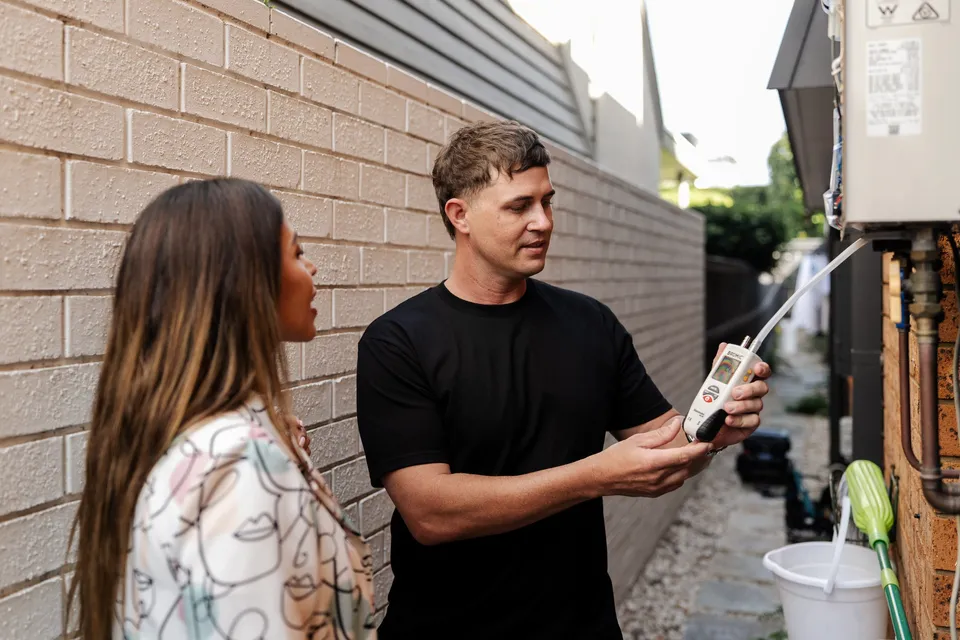
The Dye Test for a Leaking Cistern
The test needs nothing more than kitchen food colouring: drip a little into the cistern, skip flushing, and watch the bowl, because colour arriving there means water is escaping past the flush valve.
Flush once you've read the result; the colouring leaves no mark on ceramic. If the bowl stays clear, the outlet valve is sealing as it should, so look at the fill valve and the water level instead.
No dye at home? Lay a sheet of dry toilet paper at the bowl's rear, above the waterline. Dry paper means no leak; damp paper means water is creeping down the back wall of the bowl.
The waste matters more than the noise. A leak works day and night, so the usage quietly climbs between bills, and the tenant is often the last to hear.
Water Runs but the Cistern Stays Low
A cistern that won't fill usually comes down to a worn or blocked fill valve, a float set below its mark, or a stop tap that's only partly open. Start by confirming the stop tap beside the cistern is fully open.
Water running while the level never rises tells a different story. The flush valve's seal may be letting water out as fast as it arrives, so the cistern never fills and the fill valve never rests.
Slow filling has its own causes. A valve clogged with debris fills at a crawl, and a float sitting low shuts the supply off early.
Where Home Owner Toilet Repairs Stop
The QBCC treats three cistern parts as work a capable householder may do: a drop valve washer, a float valve washer, and a suction cup rubber. A licence isn't required for those three, and nothing has to be reported.
The result still has to reach the standard the legislation and codes set. Every other cistern repair is minor work for a licensee, and the category skips both the permit and the Form 4.
Opening the cistern, adjusting its internals or replacing the inlet valve all sit on the licensed side of that line.
A Queensland rental works differently: the owner or manager carries the repair duty, and the tenancy rules ask the tenant to report the fault as soon as it appears. A running cistern in a rented Annie Street villa is the owner's job, not the tenant's.
Does the Water Utility Cover a Running Toilet
No, a running cistern gets no help from Urban Utilities' concealed leak adjustment. The policy excludes leaking taps, cisterns, hot water systems and water appliances generally.
The property owner holds responsibility for leaks on their land and the losses that follow. A running cistern is a visible fault rather than a hidden one, so the repair and the wasted water both stay with the owner.

When to Call a Plumber About a Running Toilet
Call once the dye shows colour in the bowl, or the cistern still runs with the stop tap confirmed open. Both signs point past the three unregulated parts into work reserved for a licensee.
An endless hiss, an overflow pipe dripping outdoors, or a loo that refills itself overnight all justify a call. Hamilton Same Day Plumbing handles the lot, from worn seals to valves needing replacement, on our toilet repairs service page.
Renters should tell the owner or agent promptly. Under the Act, a repair not on the emergency list counts as routine and belongs in a reasonable timeframe, and a written report protects you if the usage is disputed.
Running Toilet FAQs
Call (07) 3523 6484Why won't my toilet stop running after I flush?
One of three faults is at work. The fill valve may not be shutting off, or a worn flush valve may be leaking water into the bowl, so the cistern keeps refilling. The level may also sit high enough to spill down the overflow. A constant hiss points to the fill valve; a cistern that refills itself points to the seal.
Will Urban Utilities cover a running toilet in Hamilton?
No, the utility's concealed leak adjustment leaves toilet cisterns out, along with leaking taps and other appliances. The property owner carries responsibility for leaks and what they cost, so both the repair bill and the water bill land with the owner.
What does it cost to fix a running toilet in Hamilton?
The price turns on the failed part and on how easily the cistern and its isolation valve can be reached. You'll see a fixed quote before any work starts, so the figure is settled before anything comes apart.
Who fixes a running toilet in a Hamilton rental?
The owner or agent, under Queensland tenancy law. They keep the place in good repair; the tenant reports the fault straight away. A running cistern counts as a routine repair, done in a reasonable timeframe, while a blocked or non-working toilet sits on the Act's emergency list.

Ring Us About Your Running ToiletWe'll call you back.
Ring (07) 3523 6484 and tell us what's wrong. You get $0 call-out fees, a fixed quote before any work starts and same-day where we can, 7 days a week.
To claim your $0 call-out fee, call (07) 3523 6484 today.